Our Trainers
Meet our esteemed Senior Trainers, Angie Weeks and Jan Honeyman. Angie, a qualified Dog Behaviorist with an NDTF certification since 2019, specialises in PTSD Assistance Dog Training. She has a unique ability to see the innate potential and drive in all dogs and hone this into life-changing, life-saving PTSD Assistance Dogs. Her expertise lies in working with Shelter and displaced adolescent dogs, and she has a remarkable ability to understand and communicate with them. Angie's passion is to see these dogs thrive and find their perfect match in a Handler.
Jan, a qualified Delta Trainer, and Dog Behaviourist since 2020, brings a unique approach to training. Her innovative teaching through games has led to the creation of an engaging training program. This program transforms novice dogs into exceptional Assistance Dogs.
Together, Angie and Jan form a dynamic duo, dedicated to making a difference in the lives of dogs and their handlers.
Our Trainers
Meet our esteemed Senior Trainers, Angie Weeks and Jan Honeyman. Angie, a qualified Dog Behaviorist with an NDTF certification since 2019, specialises in PTSD Assistance Dog Training. She has a unique ability to see the innate potential and drive in all dogs and hone this into life-changing, life-saving PTSD Assistance Dogs. Her expertise lies in working with Shelter and displaced adolescent dogs, and she has a remarkable ability to understand and communicate with them. Angie's passion is to see these dogs thrive and find
their perfect match in a Handler.
Jan, a qualified Delta Trainer, and Dog Behaviourist since 2020, brings a unique approach to training. Her innovative teaching through games has led to the creation of an engaging training program. This program transforms novice dogs into exceptional Assistance Dogs.
Together, Angie and Jan form a dynamic duo, dedicated to making a difference in the lives of dogs and their handlers.
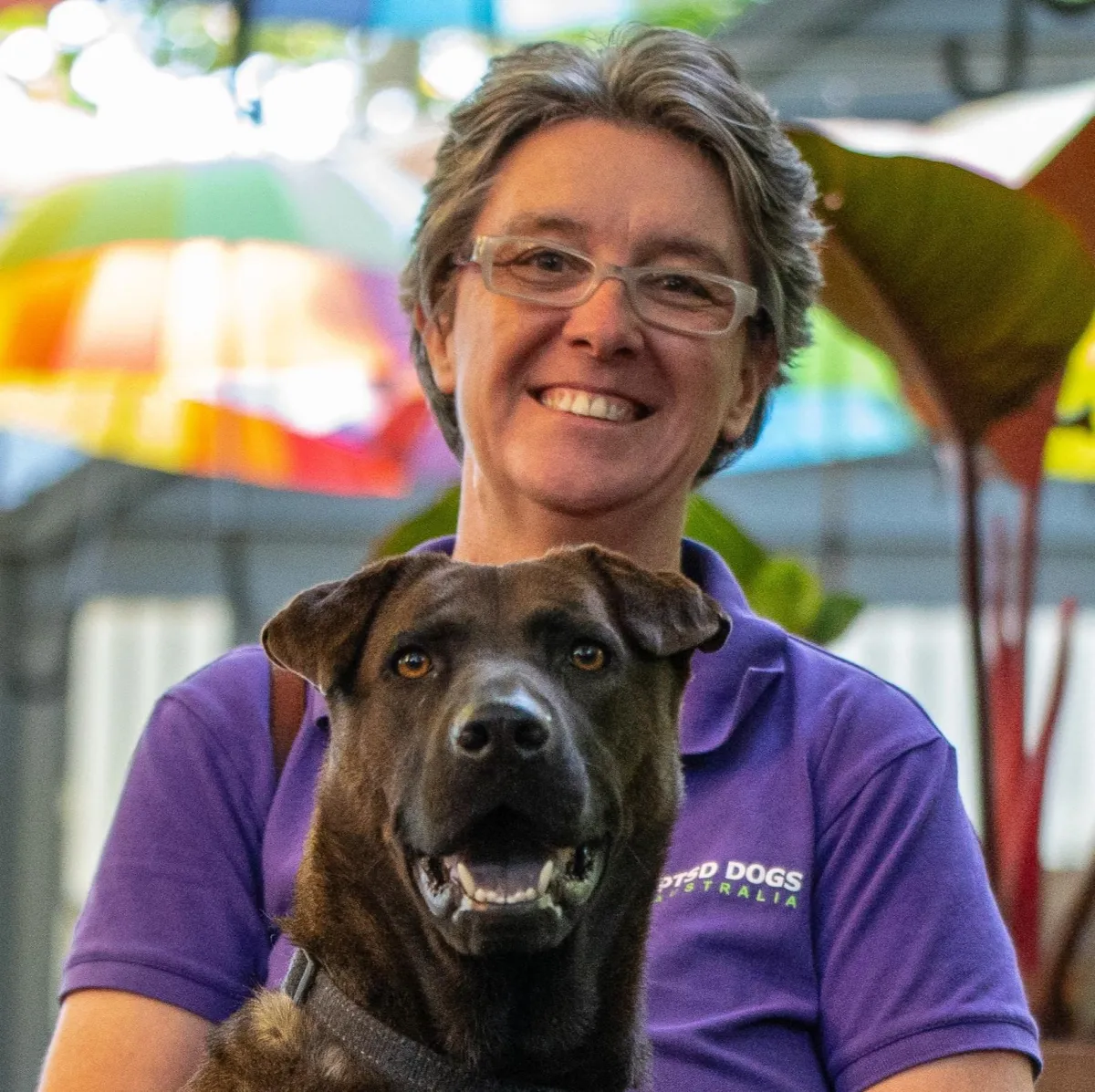
Angie Weeks
Angie's work with PTSD Assistance Dogs is not just about training dogs to perform tasks. It's about recognizing the inherent abilities and drives in each dog and channelling those into skills that can help people with PTSD. This process involves a deep understanding of dog behaviour and a strong ability to communicate with dogs, especially those that have been displaced or are living in shelters. Angie's passion for this work is evident in her desire to see each dog thrive and find the perfect
match in a Handler
Angie Weeks
Angie's work with PTSD Assistance Dogs is not just about training dogs to perform tasks. It's about recognizing the inherent abilities and drives in each dog and channelling those into skills that can help people with PTSD. This process involves a deep understanding of dog behaviour and a strong ability to communicate with dogs, especially those that have been displaced or are living in shelters. Angie's passion for this work is evident in her desire to see each dog thrive and find the perfect
match in a Handler
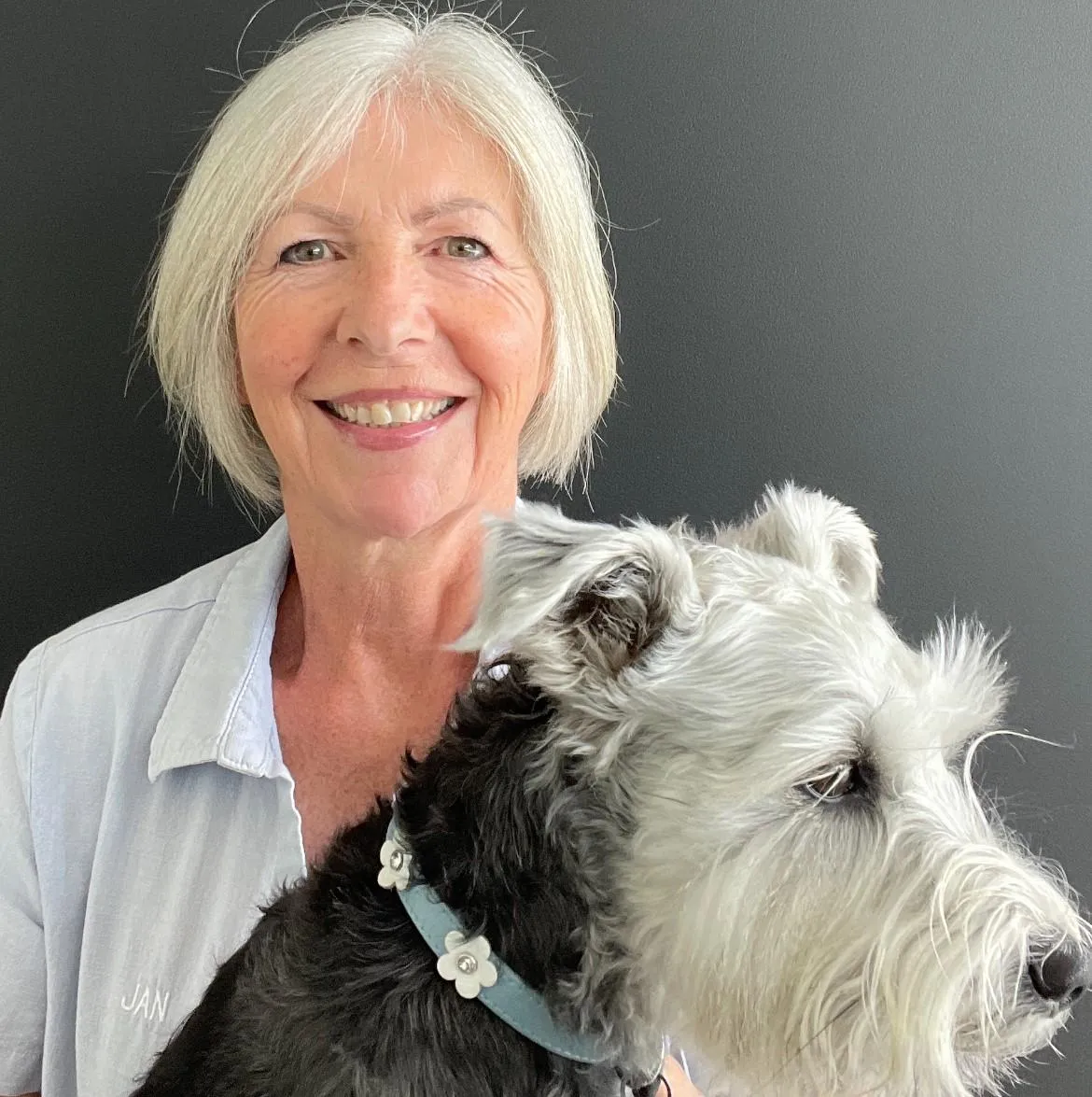
Jan Honeyman
Jan, a qualified Delta Trainer since 2020 and a Dog Behaviourist, brings a unique approach to training. Her innovative teaching through games has led to the creation of an engaging training program, designed to transform novice dogs into exceptional Assistance Dogs. Jan specialises in helping dogs (and their humans!) to be the best they can be by working with the dog in front of her to shape their behaviour for the better. An Assistance Dog really is special and with the team of Angie and Jan working together, your dog will get their chance to shine
Jan Honeyman
Jan, a qualified Delta Trainer since 2020 and a Dog Behaviourist, brings a unique approach to training. Her innovative teaching through games has led to the creation of an engaging training program, designed to transform novice dogs into exceptional Assistance Dogs. Jan specialises in helping dogs (and their humans!) to be the best they can be by working with the dog in front of her to shape their behaviour for the better. An Assistance Dog really is special and with the team of Angie and Jan working together, your dog will get their chance to shine
We Get That You May Have Some Questions....
Some of these may be answered for your in our 'Frequently Aksed Questions' Section below this Form
But, if they have not been answered, feel free to submit your details along with your question in this form.
We Get That You May Have Some Questions....
Some of these may be answered for your in our 'Frequently Aksed Questions' Section below this Form
But, if they have not been answered, feel free to submit your details along with your question in this form.
Frequently Asked Questions
What if I don’t have a diagnosis of PTSD but have agoraphobia, anxiety or depression. Will this help and can I still do the program?
Yes, your dog in the later modules of modules 4-7 will be taught specific tasks to mitigate your personal disability to meet your medical goals.
I have physical problems as well, does this preclude me?
No providing you can train your own dog or have suitable people who can support and potentially be a secondary handler. In modules 4-7, your dog will be taught specific tasks to mitigate your physical challenges.
My dog is outside the desired weight or height, can I still do the program?
Height for the lower end is for physical tasks and is generally at 50cm. The upper end of height is for public transport and is generally 60cm. Due to your specific needs this will be assessed. Eg Balance weight bearing assistance work.
My dog is the family pet. Can I train my dog in this situation?
Yes your dog could potentially be trained, however an Assistance Dog is trained to mitigate an individuals disability and as such is trained for one person and is not a family pet.
My dog is entire and I don’t want to desex it, can it still be part of the program?
Assistance dogs are to be desexed once they are ready to complete a PAT assessment under GHAD Legislation which is how your dog will be certified.
My dog is deaf, can I still have it as my assistance dog?
No, as the dog must have a clear bill of health passed by a veterinarian.
I have been with another organisation, can I change to PTSD Dogs Australia?
Yes, providing the dog meets the behavioural standards set by the organisation.
What sort of health and physical ability does my dog need to be at?
A dog's health and physical ability to perform specific tasks may impact its suitability to become an assistance dog. For example, a dog with certain medical conditions or physical limitations may not be able to fulfill the necessary duties.
Is there a minimum or maximum age for a suitable dog to train?
The age and developmental stage of a dog can also be a factor. Younger dogs may need to demonstrate a certain level of maturity and training before they can be considered for assistance work. Depending on the size / breed of dog, the upper age can vary.
How frequently do I need socialise and train my dog?
Insufficient socialisation or training may also preclude a dog from becoming an assistance dog. Dogs must be well-socialised and have the ability to remain calm and focused in various environments and situations.
How do you judge behavioral suitability of a dog for this program?
Dogs must exhibit the right temperament and behavior to work as assistance animals. Aggression, excessive fearfulness, or inability to focus on tasks may disqualify a dog from becoming an assistance dog.
What attributes do you look for in an assistance dog?
They need to be cool, calm and collected around people, children and other dogs. They need to born pacifists, with zero aggressive tendancies and display a quiet confidence.